- Home
- About Us
- Products
- Edge Banding Machine
- Pre-Milling Full Automatic Edge Banding Machine
- PVC Edge Banding Machine
- Interior Small Automatic Edge Bander
- Mini Edge Bander
- Automatic Edge Banding Machine
- KM08R Portable Edge Banding Machine
- Semi Auto Edge Bander With Top Bottom Trimmer
- Modular Furniture Machine Semi Edge Bander With Trimmer
- Handy Portable PVC Edge Banding Machine
- Manual Edge Bander Machine
- Automatic Edge Bander
- STEB - 05 Automatic Edge Bander
- Automatic PVC Edge Bander With EndCutting Edge Rounding Spray With Buffing
- Semi Edge Bander Machine
- Automatic Edge Bander Machine
- Edge Bander Machine
- CNC Routers Machine
- CNC Router Wood Engraving Machine
- Atc Cnc Router Machine
- CNC Router Wood Working Machine
- Wood Cnc Router Machine
- CNC Stone Engraving Machine
- Automatic CNC Wood Router Machine With Vacuum Bed
- CNC Servo 3D Wood Router Machine
- CNC Acrylic Router Machine
- Advertising CNC Router Machine
- Fully Servo Cnc Router Machine Manufacturers In Ahmedabad
- Peumatic Trimmer
- Engraving Machine
- Panel Saw
- Hot Press Machine
- Wood Working Machines
- Wood Panel Saw Machine
- Panel Saw Machine
- Edge Bander With End Cutting
- Cold Press Machine
- Precision Sliding Table
- Vacuum Membrane Press
- Multi Boring Machine
- Multiple Boring Machine
- PVC Corner Trimming Machine
- Double Bag Dust Collector
- Manual Edge Bander
- Cold Press Plywood Machine
- Sliding Table Panel Saw / ST3200-B
- Pvc Edge Banding Trimmer And End Cutter
- Sunmica Plywood Laminate Cold Pressing Machine
- Panel Saw ST 3200 A
- Small Panel Saw Machine
- Plywood Cold Press Machine
- Portable Side Multiple Wood Boring Machine
- Automatic Edge Bander With Corner Rounding
- Heavy Duty Power Feeder For Wood Working For Spindle Moulder
- Plywood Pallet
- Edge Banding Machine
- Updates
- Gallery
- Contact Us
Plywood Lamination Cold Press Machine Supply In Bharuch
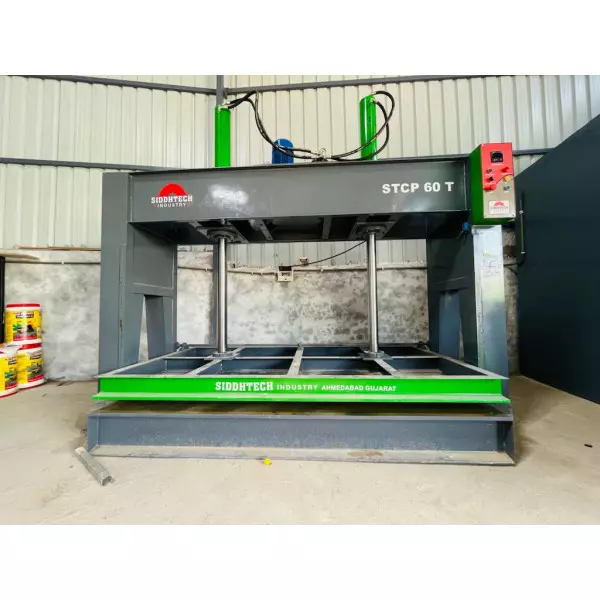
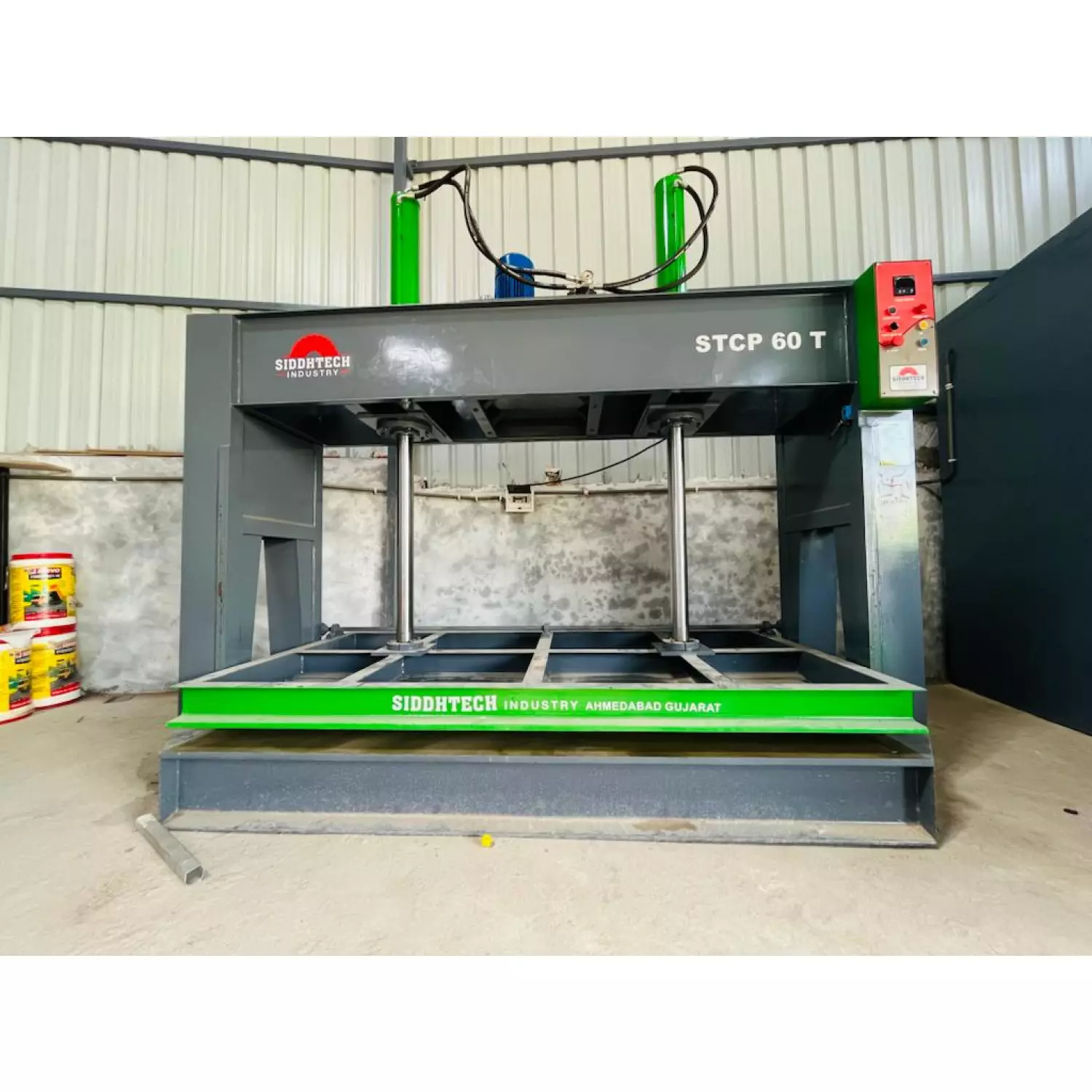
Details of Plywood Lamination Cold Press
How-To Guide: Operating a Cold Press Machine 2026
Step 1: Understanding the Purpose of the Cold Press Machine
This cold press machine is used to apply uniform pressure to materials without heat. In woodworking and panel manufacturing, it is primarily used for laminating plywood, MDF, blockboard, veneers, and decorative panels. The process relies on pressure and curing time rather than temperature to achieve strong bonding.
Step 2: Preparing Materials
Before beginning the operation, make sure that all boards or panels are clean, dry, and free of dust or oil. It is important to apply the adhesive evenly across the surface using a roller or spreader. Uneven distribution of glue may result in weak bonding or surface defects once the pressing is complete.
Step 3: Loading the Machine
Position the prepared panels gently onto the press bed, ensuring they are aligned correctly to prevent any uneven pressure distribution. If you are working with multi-layer pressing, it is important to stack the materials evenly and maintain a consistent thickness throughout the stack. Misalignment in this process may lead to warping or incomplete bonding of the materials.
Step 4: Setting Pressure Parameters
Modify the pressure settings based on the type of material and the specifications of the adhesive. Generally, softer materials and thinner panels demand lower pressure, while thicker or denser boards necessitate higher pressure. Adhere to the adhesive manufacturer's guidelines to ensure optimal bonding strength.
Step 5: Pressing Cycle
To operate the cold press machine effectively, activate it and ensure it applies consistent pressure for the duration recommended. The required pressing time can differ based on factors such as the type of adhesive used, the thickness of the board, and the surrounding environmental conditions. It is essential to maintain a steady pressure throughout the process to achieve uniform bonding.
Explainers: Industry Jargon and Processes
Cold Pressing
This range is a bonding technique that utilizes mechanical pressure, instead of heat, to set adhesives. This method is particularly favored for materials that are sensitive to high temperatures or in situations where conserving energy is a significant consideration.
Pressing Pressure
The pressure exerted by the machine on the grading material surface, typically measured in tons or kilograms per square centimeter, is crucial. Proper pressure ensures effective adhesive penetration and consistent bonding.
Adhesive Curing Time
The curing time refers to the duration necessary for an adhesive to attain sufficient bond strength. In cold press applications, this process predominantly depends on chemical reactions rather than heat acceleration.
Offered Product

Plywood Lamination Cold Press
Type Of MachineWood SplittersCapacity120 TonSize2910X1260X2500mmAutomation GradeAutomaticPower5 HPCountry Of OriginMade In IndiaEstablished In Year 2020, Siddhtech Industry is A Manufacturer and Trader of High Quality Engraving Machine, Edge Banding Machine, CNC Routers Machine and Much Our Company Has Sculpted A Remarkable Place In The Market As A Reputed Organization To Offer The Qualitati... Read morePlywood Lamination Cold Press Delhi
Plywood Lamination Cold PressWe Are Particularly Interested In Plywood Lamination Using Cold Press Technology. Furthermore, These Machines Are Widely Used In Furniture Manufacturing, Interior Decor Units, And Plywood Processing Plants. We Are Manufacturers Of High-quality Plywood Lamination Cold Press Units That Ensure Precise Adhesion, Smooth Finishes, And Long-lasting Durability For Panels.Main FeaturesUniform Pressure Application We Are Manufacturing Machines That Apply Consistent Pre Continue
Plywood Lamination Cold Press Suppliers In Jodhpur
Plywood Lamination Cold PressHydraulic Cold Press For Plywood LaminationAutomatic Plywood Lamination Cold Press MachineIndustrial Cold Press For Wood LaminationHeavy Duty Lamination Cold PressPlywood Board Lamination PressAbout The ProductWe Are Offering Plywood Lamination Cold Press Units Manufactured For High-pressure Bonding Of Plywood And Laminates. These Machines Are Built With Durable Steel Frames, Stable Pressing Systems, And Long Service Life. Extensively Used In Indust Continue
Plywood Lamination Cold Press Manufacturers In Kolkata
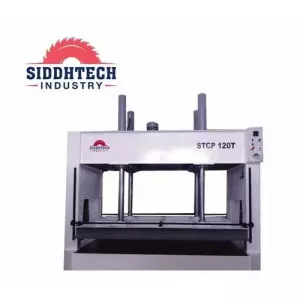
Lamination Cold Press 2026We Are Recognizing The Need For Uniform Surface Bonding In Modern Plywood Lamination. We Are Using Cold Press Technology To Apply Consistent Pressure During Lamination Without Heat. We Are Presenting Plywood Lamination Cold Press Systems As A Reliable Solution For Achieving Smooth Finishes And Strong Adhesive Bonding.Press Concept And FunctionWe Are Defining A Plywood Lamination Cold Press As Industrial Equipment Used To Press Decorative Sheets, Laminates, Or Vene Continue