- Home
- About Us
- Products
- Edge Banding Machine
- Pre-Milling Full Automatic Edge Banding Machine
- PVC Edge Banding Machine
- Interior Small Automatic Edge Bander
- Mini Edge Bander
- Automatic Edge Banding Machine
- KM08R Portable Edge Banding Machine
- Semi Auto Edge Bander With Top Bottom Trimmer
- Modular Furniture Machine Semi Edge Bander With Trimmer
- Handy Portable PVC Edge Banding Machine
- Manual Edge Bander Machine
- Automatic Edge Bander
- STEB - 05 Automatic Edge Bander
- Automatic PVC Edge Bander With EndCutting Edge Rounding Spray With Buffing
- Semi Edge Bander Machine
- Automatic Edge Bander Machine
- Edge Bander Machine
- CNC Routers Machine
- CNC Router Wood Engraving Machine
- Atc Cnc Router Machine
- CNC Router Wood Working Machine
- Wood Cnc Router Machine
- CNC Stone Engraving Machine
- Automatic CNC Wood Router Machine With Vacuum Bed
- CNC Servo 3D Wood Router Machine
- CNC Acrylic Router Machine
- Advertising CNC Router Machine
- Fully Servo Cnc Router Machine Manufacturers In Ahmedabad
- Peumatic Trimmer
- Engraving Machine
- Panel Saw
- Hot Press Machine
- Wood Working Machines
- Wood Panel Saw Machine
- Panel Saw Machine
- Edge Bander With End Cutting
- Cold Press Machine
- Precision Sliding Table
- Vacuum Membrane Press
- Multi Boring Machine
- Multiple Boring Machine
- PVC Corner Trimming Machine
- Double Bag Dust Collector
- Manual Edge Bander
- Cold Press Plywood Machine
- Sliding Table Panel Saw / ST3200-B
- Pvc Edge Banding Trimmer And End Cutter
- Sunmica Plywood Laminate Cold Pressing Machine
- Panel Saw ST 3200 A
- Small Panel Saw Machine
- Plywood Cold Press Machine
- Portable Side Multiple Wood Boring Machine
- Automatic Edge Bander With Corner Rounding
- Heavy Duty Power Feeder For Wood Working For Spindle Moulder
- Plywood Pallet
- Edge Banding Machine
- Updates
- Gallery
- Contact Us
Small Panel Saw MachineNear Bengaluru
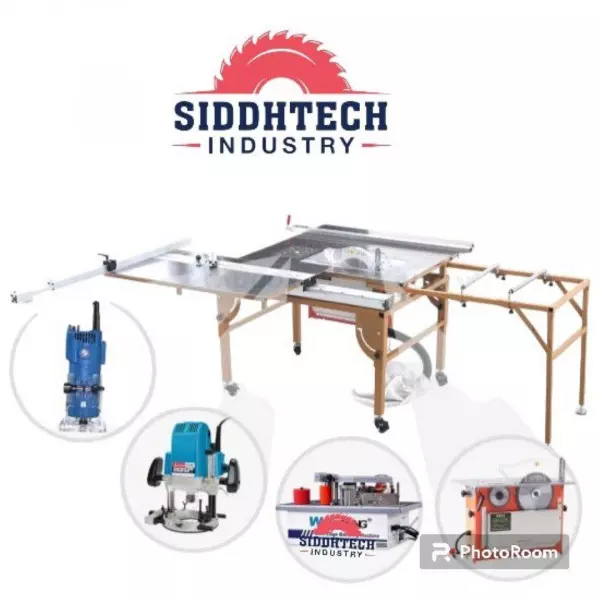
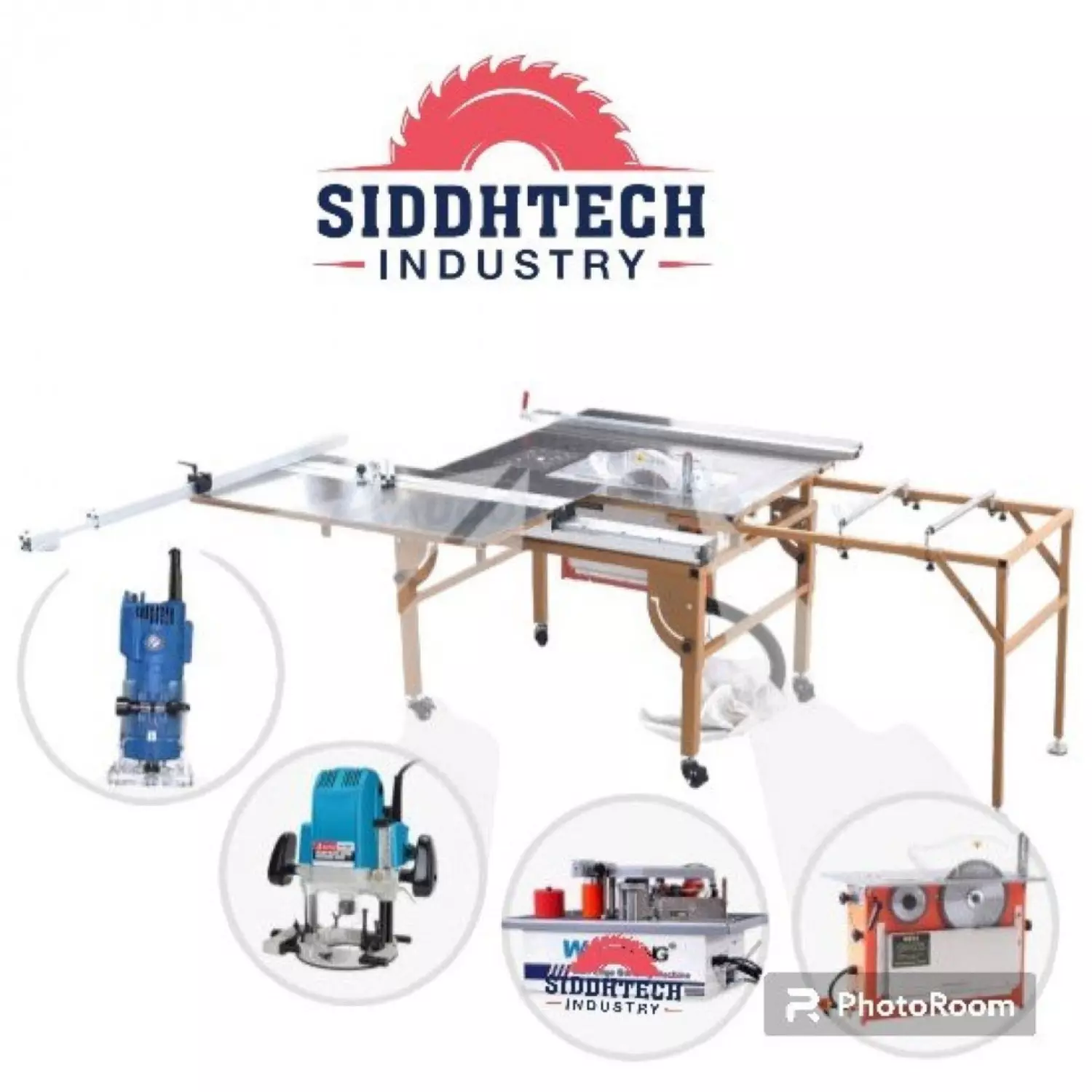
Details of Small Panel Saw Machine
1. How We Choose the Right Small Panel Saw for the Job
We start by matching the saw to our actual workload. Small panel saws vary in blade size, motor power, and cutting capacity. For light cabinetry and furniture panels, we prioritize compact size with stable fences. For thicker boards, we ensure sufficient motor strength and blade diameter. Choosing correctly at the beginning saves us time, material, and frustration later.
2. How We Set Up a Small Panel Saw for Accurate Cuts
We always begin with proper placement. The saw must sit on a flat, vibration-free surface. We align the fence parallel to the blade and double-check the blade angle before powering on. A few minutes spent on setup helps us avoid uneven cuts and wasted panels during production.
3. How We Measure and Mark Panels Like Professionals
We never rush measurements. We measure twice and mark once, using sharp pencils or marking knives for precision. We align markings with the fence instead of the blade teeth, ensuring consistency across multiple cuts. Accuracy here defines the quality of the final project.
4. How We Cut Panels Safely and Smoothly
We maintain a steady feed rate and never force the material. Letting the blade do the work gives us cleaner edges and reduces motor strain. We keep hands at a safe distance and use push sticks when working with narrow panels. Safety and finish quality always go together.
5. How We Adjust the Blade for Different Materials
We change blade height and type based on material thickness and density. For plywood and laminated boards, we use fine-tooth blades to reduce chipping. For solid wood panels, we adjust depth slightly above the material for efficient cutting without tear-out.
6. How We Maintain a Small Panel Saw for Long-Term Use
We clean the saw after each work session. Dust buildup affects performance and alignment. We regularly inspect the blade for dullness and tighten all moving parts. Routine maintenance keeps our cuts consistent and extends the life of the machine.
7. How We Troubleshoot Common Cutting Problems
We check blade sharpness and alignment first. If panels drift, we recalibrate the fence. If vibration appears, we inspect mounting and motor balance. Identifying small issues early prevents costly mistakes later.
8. How We Improve Efficiency in Small Workshops
We organize workflow around the saw. Panels are stacked in cutting order, measurements are prepared in advance, and offcuts are cleared immediately. This approach allows us to work faster without sacrificing precision or safety.
Clean Cuts. Smart Methods. Reliable Results.
We believe a small panel saw becomes a powerful tool when used correctly. With proper setup, careful handling, and consistent maintenance, we achieve professional-grade results even in compact workspaces.
Offered Product

Small Panel Saw Machine
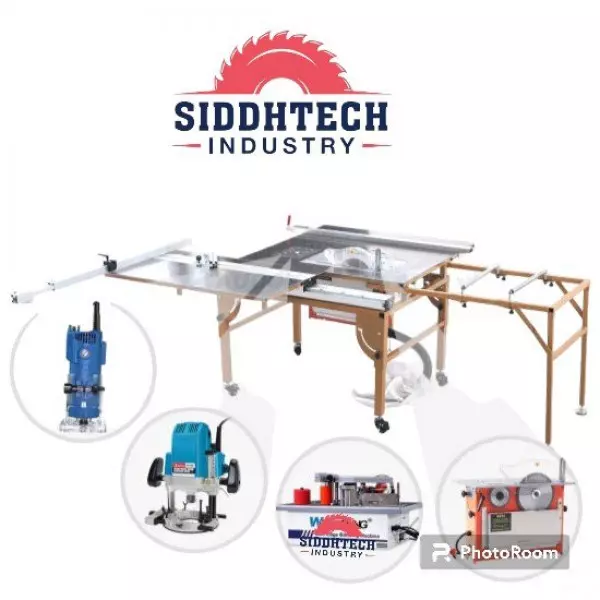
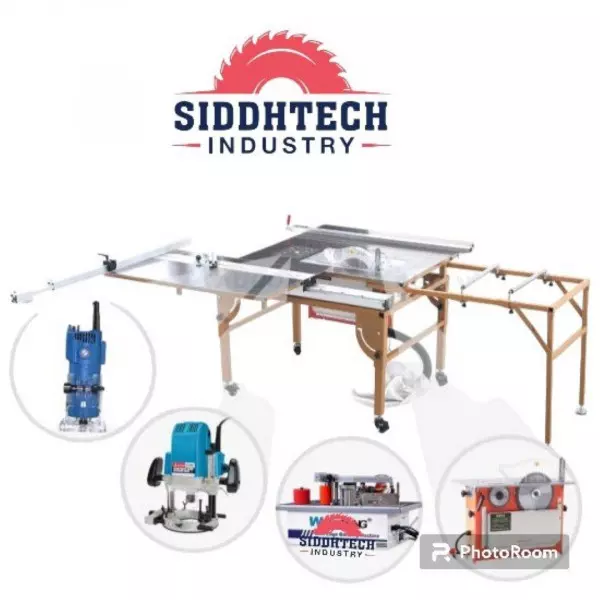
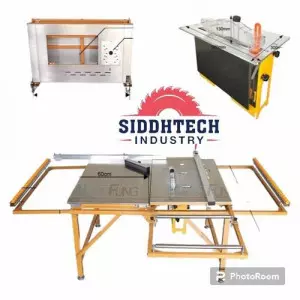
Size/Dimension3200*405 MmJob MaterialWoodAutomation GradeYESCutting Width3200 MmNo Load Speed6000 RPMWe Are Providing Panel Saw Machine.Working Table Length : 160-230cmWorking Table Width : 90mmFrame Tube : 40*40*1.0mmDust Collector Motor : 1200WBig Saw Motor : 2600WScoring Saw Motor : 1600WSaw Speed : 4500rpm/13000rpmPacking Size : (550*360*400mm+980*770*520mm+2100*230*200mm) Three PackingVoltage : 220V/1phaseWeight : 101kgs... Read moreSmall Panel Saw Machin In Ludhiana
1. How We Choose The Right Small Panel Saw For The JobWe Start By Matching The Saw To Our Actual Workload. Small Panel Saws Vary In Blade Size, Motor Power, And Cutting Capacity. For Light Cabinetry And Furniture Panels, We Prioritize Compact Size With Stable Fences. For Thicker Boards, We Ensure Sufficient Motor Strength And Blade Diameter. Choosing Correctly At The Beginning Saves Us Time, Material, And Frustration Later.2. How We Set Up A Small Panel Saw For Accurate CutsWe Always Begin Continue
Small Panel Saw Machine Dealers In Gujarat
1. How We Choose The Right Small Panel Saw For The JobWe Start By Matching The Saw To Our Actual Workload. Small Panel Saws Vary In Blade Size, Motor Power, And Cutting Capacity. For Light Cabinetry And Furniture Panels, We Prioritize Compact Size With Stable Fences. For Thicker Boards, We Ensure Sufficient Motor Strength And Blade Diameter. Choosing Correctly At The Beginning Saves Us Time, Material, And Frustration Later.2. How We Set Up A Small Panel Saw For Accurate CutsWe Always Begin Continue
Small Panel Saw Machine In Haryana
With Steady Fabrication Standards, We Manufacture A Comprehensive Spectrum Of Wood Thickness Planer Machines In Haryana Distributed For Uniform Surface Leveling And Thickness Measurements. The Cutter Assembly And Feeding Mechanism Are Manufactured To Maintain Balanced Material Removal And Smooth Finishing Results. Those Products Are Generally Used In Woodworking Workshops, Woodworking Units, And Timber Processing Industries Requiring Standardized Surface Maintenance.#Haryana #2026Our Machine Continue